
Monday to Saturday - 8:00 -17:30
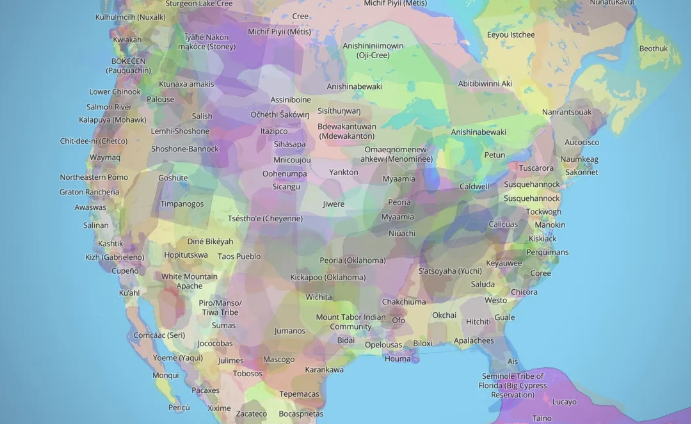
Americans have celebrated National Native American Heritage Month in some form since the 1900s, made official in 1990. George H.W. Bush signed a joint resolution, introduced by former Hawaii Sen. Daniel Inouye, D-Hawaii, and American Samoa congressional delegate Eni Faleomavaega. It acknowledged a few key facts:
Native Americans were the original inhabitants of the U.S.
They “have made an essential and unique contribution” to the U.S.
The population’s existence aided early European settlers and benefited the entire world in terms of agriculture.
But as some genocide and holocaust historians estimate, the 10 million Native Americans that lived on the land when European settlers came dwindled to 300,000 people by 1900.
The traumas experienced by this population are something many carry with them today — including into their work life. How can recruiters and CHROs address and remedy this?
For one, non-reservation employers can make an effort to hire more indigenous workers.
“From the various outreach and training efforts that our [U.S. Equal Employment Opportunity Commission] staff members have conducted each year, as well as the cases that have been filed, we have learned that the failure on the part of employers to hire Native Americans is quite common,” Cheryl Mabry, director of the EEOC’s state, local and tribal Programs, said.
In its 2024-2028 strategic enforcement plan, EEOC named Native Americans and Alaska Natives, among other vulnerable groups, as a priority. Mabry also highlighted this as a way of remedying some of the disenfranchisement that Native people face in the workforce.
“We at the EEOC understand that Native Americans/Alaska Natives have historically been underserved. There are many tribal members who live, work or would like to work on tribal lands. There are also many tribal members who live, work or would like to work in areas that are not on tribal lands,” Mabry said via email. “It is our job to enforce the federal antidiscrimination laws where we have jurisdiction and work with [Tribal Employment Rights Offices] and tribes in general where they have jurisdiction, to help make sure that tribal members are not subjected to unlawful employment discrimination.”

